The Two-Million-Dollar Bottle: The Story of the Macallan 1926
It was distilled the year before the Great Depression, forgotten in a cask for sixty years, and bottled just forty times. Today a single bottle sells for more than a house. Here is how whisky became the most valuable liquid on earth.
By Fiona MacAllister
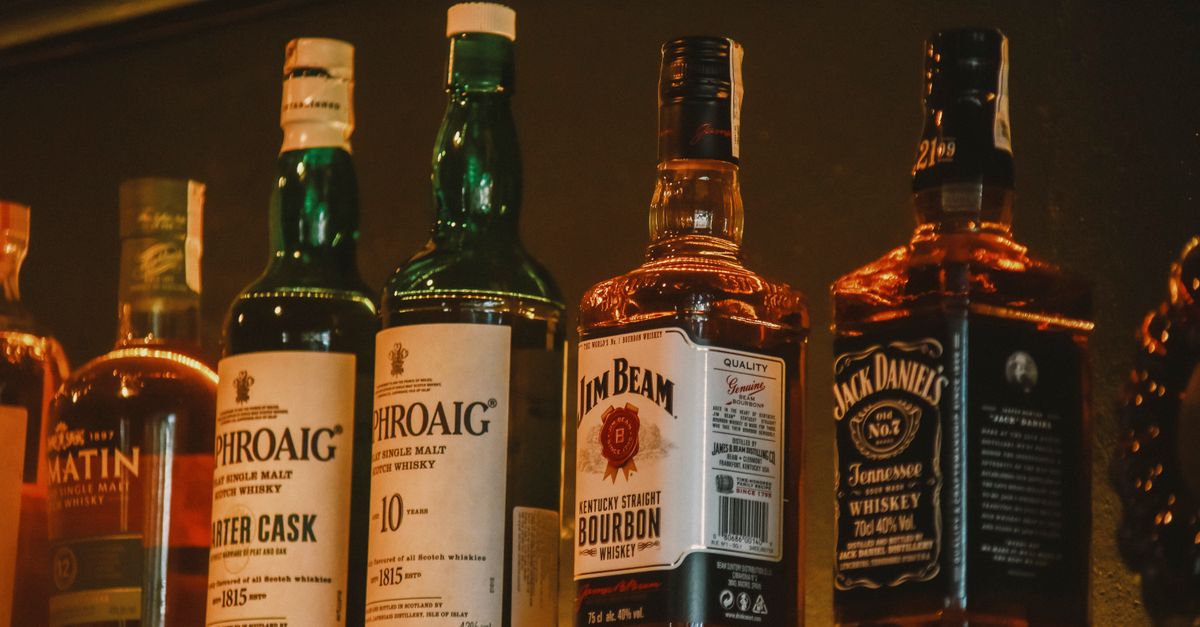
In November 2023, at Sotheby's in London, a single bottle of Scotch whisky sold for over two million pounds, around two and a half million dollars. It was not a case. It was one bottle, and it became the most expensive bottle of whisky ever sold at auction. The whisky inside had been distilled in 1926, a year before the Wall Street Crash, and had waited in a single cask for six decades before anyone thought to bottle it. The story of the Macallan 1926 is the story of how a drink became a treasure, and it holds a genuine lesson about how the rarest things in the world acquire their value, and about the strange line between something you drink and something you dare not open.
Distilled in a vanished world
Begin with the whisky itself, because the facts are almost mythic. In 1926, the Macallan distillery in Speyside filled a cask with new spirit and set it aside. The world it was made in would be unrecognisable within a few years: the Depression, then the war, then the long remaking of everything. The cask simply waited, the whisky slowly darkening and deepening as it drew colour and flavour from the sherry-seasoned oak, year after year, decade after decade, while outside the warehouse the twentieth century convulsed.
It was not bottled until 1986, sixty years later, and even then only forty bottles were drawn from the cask. Forty. That is the entire population of this whisky in existence, and it can never increase, because the cask is empty and the year 1926 will not come again. Of those forty bottles, a handful were given labels by the pop artist Sir Peter Blake, a dozen carried a label by the Italian artist Valerio Adami, most of the rest were issued as the distillery's Fine and Rare bottling, and a couple wore no label at all. None were sold in an ordinary way. They were offered quietly to the distillery's most important clients, treasures passed between people who understood what they were.
The road to two million
The prices these bottles command have climbed with a steepness that startles even people in the trade. For years, the record for the most expensive whisky in the world belonged to a Macallan 1926, and then another Macallan 1926 would break it. In 2019 one sold for a million and a half pounds. In 2023 an Adami-labelled bottle sold for over two million, resetting the record again. Each sale seemed absurd until the next one made it look reasonable.
Why? The answer is a near-perfect storm of the things that create value in any rare object. Absolute scarcity: forty bottles, and fewer now, since at least one has been drunk and another was reportedly destroyed in an earthquake, so the survivors dwindle. Genuine quality: this is not merely old whisky but exceptional whisky, from a legendary distillery, from a cask that produced something extraordinary. And a story: distilled in 1926, matured for sixty years, bottled by hand, wrapped in art. When absolute scarcity, real quality, and a compelling story combine in a single object, the price ceases to obey ordinary logic, because there is quite literally nothing else exactly like it and there never can be.
The paradox at the heart of it
Here is where the Macallan 1926 becomes genuinely interesting, and where it teaches something, because it exposes a paradox that runs through all collecting. This is whisky. Its entire reason for existing is to be poured into a glass and drunk. It is, at bottom, a consumable, made to be consumed. And yet the two-million-dollar bottle will almost certainly never be opened, because the moment it is, its market value largely disappears down someone's throat. The object's supreme worth depends entirely on it never being used for the one purpose it was made for.
We find this genuinely worth sitting with, because it says something about what we do to rare things. We take an object created to be experienced and we freeze it, converting it from a pleasure into an asset, and in doing so we change its nature completely. A bottle of whisky is for drinking. A two-million-dollar bottle of whisky is for owning, insuring, and displaying, and drinking it would be seen almost as vandalism. The scarcity that makes it precious also makes it untouchable. There is a melancholy in that, and also a truth about the odd things wealth does to objects.
What to actually take from it
Here is our view, and we offer it as commentary and not as investment advice. The Macallan 1926 is a spectacular story and a terrible model for how to enjoy whisky, or indeed for how most people should approach collecting anything meant to be used. The people who chase trophy bottles purely as assets have entered a very small, very illiquid, and occasionally treacherous market, dogged by fakes, dependent on a handful of buyers, and driven by a story that could shift. The bottle at the top of the pyramid is not really whisky anymore. It is a financial instrument that happens to be shaped like a bottle.
The far wiser relationship with whisky, and the one every experienced collector we respect ends up recommending, is almost the opposite. Buy things rare and beautiful enough to appreciate, yes, but buy them to drink, and drink them. The joy of whisky is in the glass, in the sharing, in the moment, not in a vault. The Macallan 1926 is worth understanding precisely because it marks the extreme edge, the point where a pleasure becomes a possession and the possession can never again be a pleasure. Most of us should stay well back from that edge, on the side where the cork comes out.
The bottle as a mirror
In the end the two-million-dollar bottle tells you less about whisky than about ourselves. It shows what happens when scarcity, quality, and story converge: value detaches from use entirely, and an object made to be enjoyed becomes an object that must never be enjoyed to keep its worth. That is a fascinating thing to observe and a strange thing to celebrate. The whisky in that bottle was distilled to be drunk, in a world that has vanished, and it will now most likely sit untouched forever, worth a fortune precisely because no one will ever taste it. Understanding why is worth more, we think, than the bottle itself, and unlike the bottle, the understanding is free, and you are allowed to use it.
More in Food & Beverage
The Sake Brewer's Son Who Carried Scotland to Japan
A young Japanese man sailed to Scotland in the 1910s, learned to make whisky, married a Scottish woman, and brought it all home. From that journey came two rival empires and an entire national industry that now beats the Scots at their own game.
The Ranking That Has Governed Bordeaux for 170 Years
In 1855 an emperor asked some wine brokers to make a list. They ranked the great châteaux by price into five tiers, and that list, drawn up in a matter of weeks, still decides the fate of the world's most famous wines today.
The Prince, the Mistress, and the World's Most Expensive Wine
In 1760 a French prince and a king's mistress went to war over a tiny patch of Burgundian dirt smaller than a football field. The prince won, took its wine off the market entirely, and gave it his name. It is still the most coveted wine on earth.