The Prince, the Mistress, and the World's Most Expensive Wine
In 1760 a French prince and a king's mistress went to war over a tiny patch of Burgundian dirt smaller than a football field. The prince won, took its wine off the market entirely, and gave it his name. It is still the most coveted wine on earth.
By Fiona MacAllister
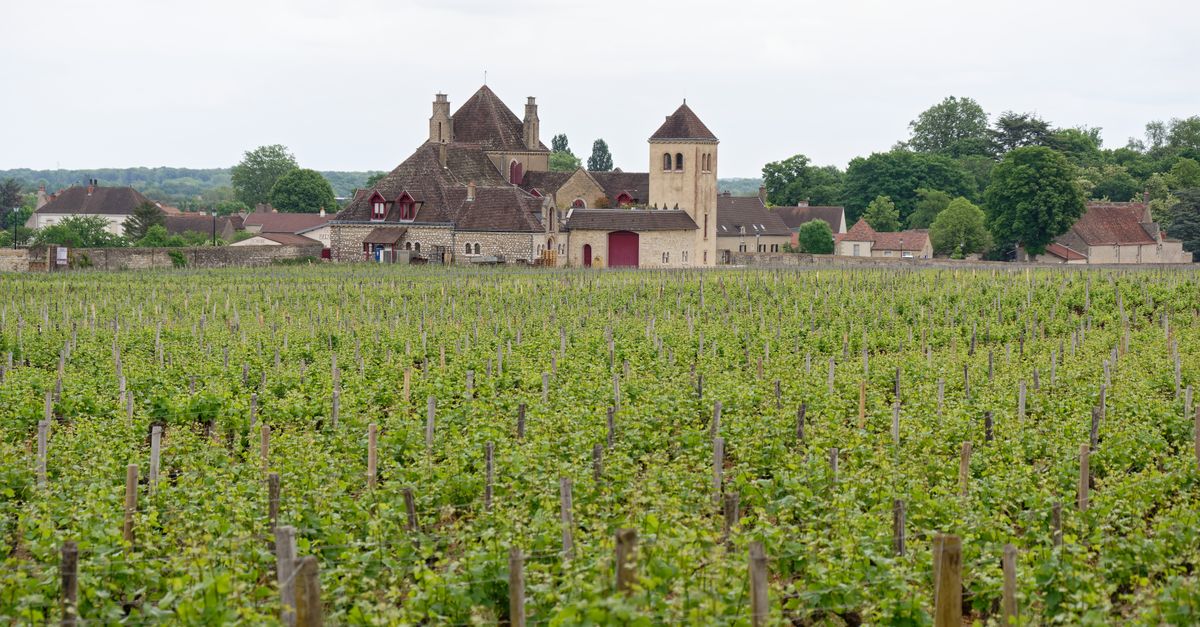
In the village of Vosne-Romanée, in Burgundy, there is a walled patch of vines smaller than many people's gardens, well under two hectares of gentle east-facing slope. It looks utterly ordinary. And yet the wine from this single small plot, Romanée-Conti, is the most sought-after and most expensive in the world, so rare and so prized that a single bottle of a great vintage has sold for more than half a million dollars. The story of how this unremarkable-looking scrap of French dirt became the most valuable agricultural land on the planet begins with a bidding war between a prince and a king's mistress in 1760, and it teaches a lesson about scarcity, obsession, and the strange power of a name that reaches far beyond wine.
A duel over dirt
By the middle of the eighteenth century, the vineyard then known simply as La Romanée already had a formidable reputation. Its wines were considered among the finest in Burgundy, which is to say among the finest anywhere. So when the plot came up for sale in 1760, it attracted two of the most powerful figures in France, and their rivalry turned the sale into legend.
On one side was Madame de Pompadour, the influential mistress of King Louis XV, a woman of immense taste and power. On the other was Louis François de Bourbon, the Prince de Conti, a nobleman and connoisseur. Both wanted the vineyard, and the price was driven to an enormous sum for such a small piece of land. The Prince de Conti won. And then he did something that tells you everything about how the wine's mystique was built. He did not sell its wine, at any price, to anyone. He took the entire production off the market and kept it for himself and his private circle, refusing to share it even with close friends. He also gave the vineyard his name, and it has been Romanée-Conti ever since.
Think about what that act did. By making the wine literally unbuyable, the prince made it infinitely desirable. Nobody could have it, which meant everybody wanted it, and a reputation for unobtainable perfection settled over the little plot that has never lifted.
Why the land itself cannot be copied
To understand why the wine still commands such reverence, you have to understand the Burgundian idea that underpins everything: terroir. Burgundy holds, as an article of near-religious faith, that a wine is the expression of a specific place, that the exact combination of soil, subsoil, slope, drainage, sun, and microclimate of one small parcel produces a character that cannot be reproduced anywhere else on earth, even a few metres away. Romanée-Conti is the ultimate expression of this belief. Its roughly one and a half hectares are considered a grand cru of grand crus, a plot whose particular magic no other vineyard can imitate.
This is what makes it the purest scarcity imaginable. You cannot make more Romanée-Conti. You cannot build it out of the sea, as Monaco builds land, or manufacture it in a factory. The vineyard is a fixed, tiny, irreplaceable piece of the earth's surface, and it produces only a few thousand bottles a year, in good years, and fewer in bad ones. The domaine that owns it, together with its other legendary parcels, guards this scarcity fiercely, allocating its wines rather than merely selling them, so that even the wealthy cannot simply buy as much as they want. Demand is effectively infinite. Supply is a walled garden of vines. The result is a price that answers to no ordinary economics.
The most expensive liquid, and why
The numbers are staggering and worth stating plainly. Bottles of Romanée-Conti routinely sell for tens of thousands of dollars, and the greatest vintages far more; a single bottle of the fabled 1945, of which almost none was made, sold at auction for well over half a million dollars. No other wine approaches it consistently. And the reasons are the same reasons that governed the prince's obsession in 1760, only intensified by two and a half centuries of accumulated legend: a unique and irreproducible piece of land, a tiny and fixed production, an ancient and unbroken reputation for supreme quality, and a deliberate scarcity that keeps the wine perpetually out of reach.
We offer the following as commentary rather than advice, because it matters. Romanée-Conti sits at the very summit of wine as a store of value, and that summit is a rarefied and hazardous place. The market for it is thin, driven by a handful of collectors and by a story, and it is plagued, like all trophy assets, by counterfeiting so sophisticated that even experts are sometimes fooled. To treat these bottles primarily as an investment is to enter one of the least liquid and most treacherous markets in the world of collecting, where a single question about provenance can erase a fortune.
What the little vineyard teaches
Here is the lesson we would draw, and it reaches beyond wine entirely. The value of Romanée-Conti rests on a foundation that almost nothing else in the modern economy possesses: genuinely fixed, genuinely irreproducible supply. Nearly everything valuable can, given enough money and ingenuity, be made in greater quantity. A great vineyard cannot. There is one Romanée-Conti, there was one in 1760, there will be one in the year 3000, and its size will not change. That is the deepest kind of scarcity there is, and it is why a patch of dirt smaller than a football field is worth more, acre for acre, than almost any land on earth.
The prince understood the principle instinctively when he took the wine off the market and made it unbuyable. Scarcity, real and permanent scarcity, is the thing that creates lasting value, and the more absolute and irreproducible it is, the more extreme the value becomes. Romanée-Conti is that principle grown in a walled garden in Burgundy, tended for centuries, its wine still trickling out in tiny quantities to a world that will always want more of it than can ever exist. The bidding war of 1760 never really ended. It simply moved to the auction houses, and it will not end there either.
More in Food & Beverage
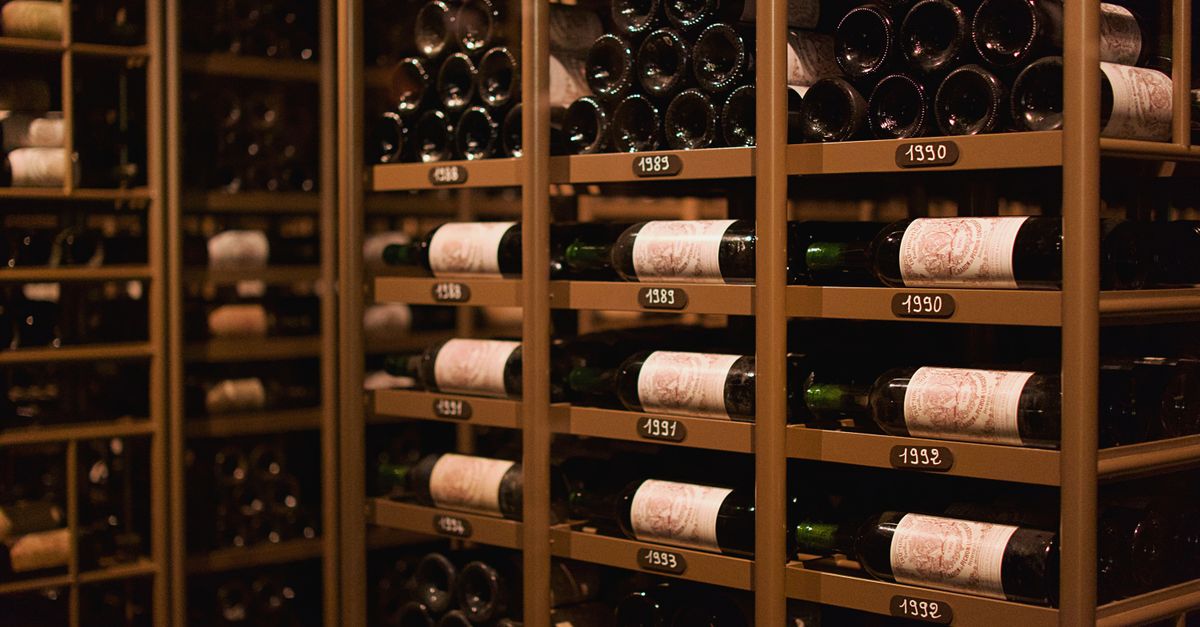
The Ranking That Has Governed Bordeaux for 170 Years
In 1855 an emperor asked some wine brokers to make a list. They ranked the great châteaux by price into five tiers, and that list, drawn up in a matter of weeks, still decides the fate of the world's most famous wines today.
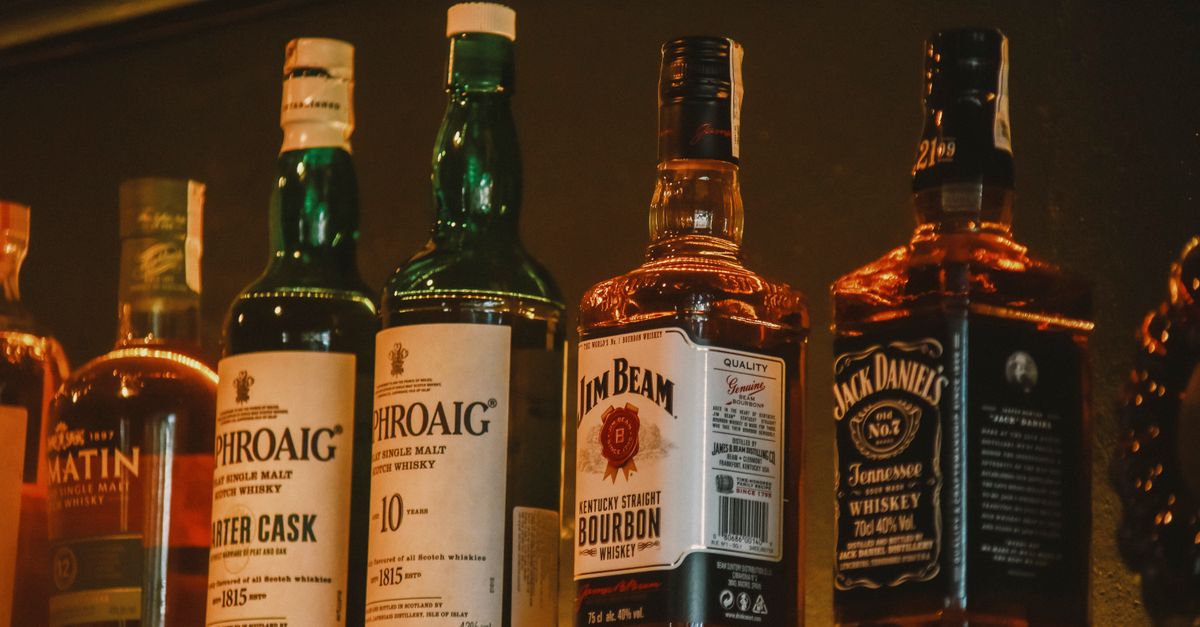
The Two-Million-Dollar Bottle: The Story of the Macallan 1926
It was distilled the year before the Great Depression, forgotten in a cask for sixty years, and bottled just forty times. Today a single bottle sells for more than a house. Here is how whisky became the most valuable liquid on earth.
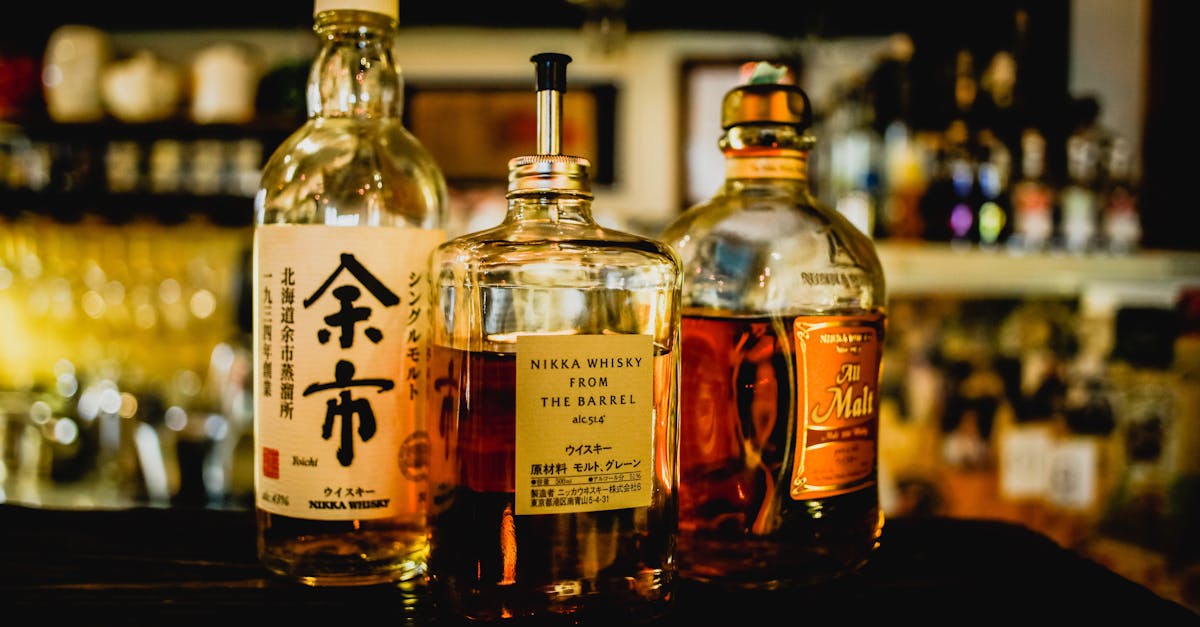
The Sake Brewer's Son Who Carried Scotland to Japan
A young Japanese man sailed to Scotland in the 1910s, learned to make whisky, married a Scottish woman, and brought it all home. From that journey came two rival empires and an entire national industry that now beats the Scots at their own game.