The Man Who Refused to Sell the Coastline: Samuel Morse and Pebble Beach
He owned some of the most valuable oceanfront land in America and could have carved it into private lots worth a fortune. Instead he gave the coast to a golf course, and created the most beautiful public round in the world.
By Priya Anand
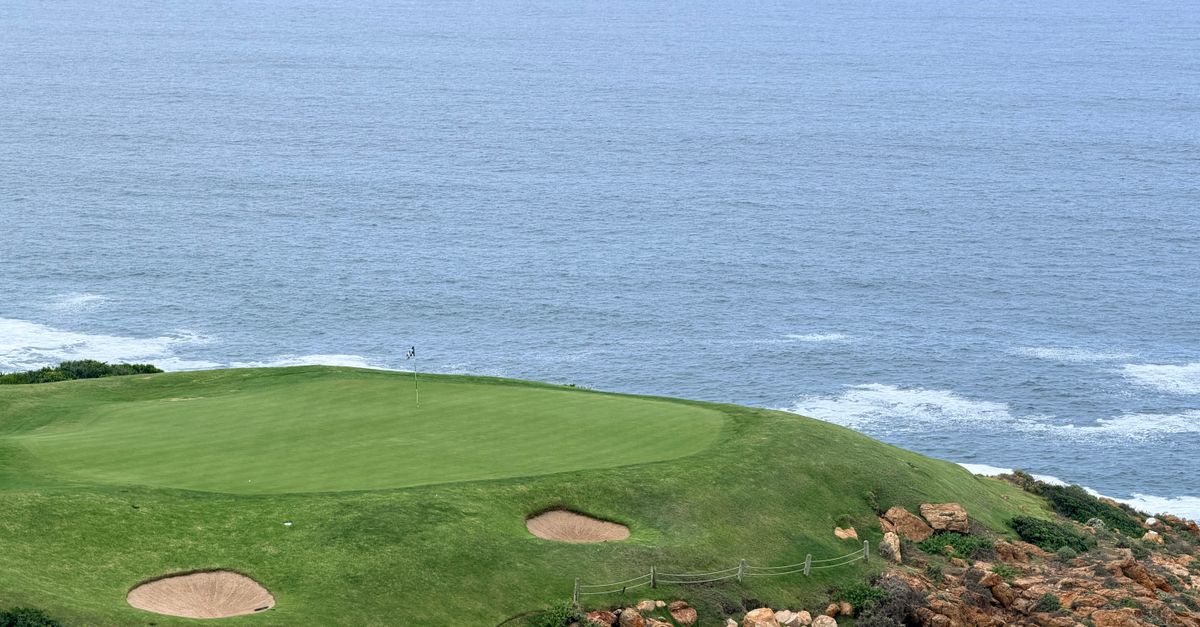
In 1919, a man named Samuel Morse gained control of a vast and spectacular stretch of the California coast on the Monterey Peninsula, some of the most beautiful oceanfront land in America. The obvious thing to do with it, the thing that would have made the most money by far, was to divide the prime coastline into private residential lots and sell them to the wealthy, who would happily have paid enormous sums for a house on those cliffs. Morse did the opposite. He decided the finest stretch of coast would not be sold to anyone, but given over to a golf course that the public could play. The result was Pebble Beach Golf Links, widely considered the most beautiful public course in the world, and the story of that decision is a lesson in long-term thinking that still pays dividends a century later.
The land and the temptation
Samuel Finley Brown Morse, a grand-nephew of the inventor of the telegraph, was a capable and ambitious businessman. In 1919 he formed a company and took over the extensive Monterey Peninsula holdings of a predecessor, including forests, a grand hotel, and, most importantly, miles of stunning Pacific coastline. He was, in effect, handed one of the great real estate opportunities in America, and the conventional playbook for such an opportunity was well established and enormously lucrative: identify the most desirable land, the cliff tops with the ocean views, subdivide it into building plots, and sell them to rich individuals for private mansions.
Had Morse followed that playbook, he would have made a swift and spectacular fortune, and the most beautiful coastline in California would have disappeared behind the gates and hedges of private estates, visible to almost no one. It is what almost any developer, then or now, would have done. Morse saw further.
The counterintuitive choice
Morse understood something that the quick-profit approach missed entirely. He grasped that the coastline's supreme value lay in keeping it open and accessible rather than locking it away, and that a great golf course threading along those cliffs would be worth more, in the long run and in more than money, than a row of private houses. So he reserved the very best land, the dramatic oceanfront, for the golf course, and let the residential development sit back from the water. He hired two amateur golfers, Jack Neville and Douglas Grant, neither of whom had ever designed a course before, and gave them the commission of a lifetime.
Their instruction, in essence, was to route as many holes as possible right along the rocky, crashing Pacific shore. The result, opened in 1919, was a course that runs out along the cliffs and back in a great figure-eight, with hole after hole perched on the edge of the ocean, the surf breaking below the greens. It was, and remains, breathtaking, and it was made possible only because Morse had refused to sell the very land that made it so. He ran his Monterey empire for the next fifty years, until his death in 1969, guarding that vision.
Why keeping it public was the genius
We think the depth of Morse's insight is worth spelling out, because it is genuinely counterintuitive and genuinely wise. The short-term maximising move, selling the coast as private lots, would have converted an irreplaceable public wonder into a handful of private fortunes and then been done. The value would have been extracted once and locked away forever behind private gates. Morse chose instead to make the coastline the centrepiece of a course open to the public, and in doing so he created something that generates value, and joy, and prestige, continuously, decade after decade, for far more people, and, not incidentally, for his own enterprise.
A century later Pebble Beach is a shrine, hosting the greatest championships in the game, drawing golfers from all over the world who dream of playing those oceanfront holes, and standing as one of the most valuable and celebrated golf properties on earth. The surrounding development, the lodges and the wider resort, thrives precisely because the crown jewel at its heart was kept open and magnificent rather than parcelled off. Morse's refusal to take the easy money did not cost him. It built something worth vastly more, in reputation and in enduring revenue, than the quick sale ever could have.
The lesson beyond golf
Here is the view we would draw, offered as commentary rather than advice, because it applies to anyone entrusted with something valuable and irreplaceable. There is a profound difference between extracting the maximum value from an asset today and stewarding it to create enduring value over generations. The developer who subdivides the coast and sells it takes the money and leaves nothing. The steward who protects the best of it, and builds something lasting and shared around it, creates a legacy that keeps giving long after the quick profit would have been spent and forgotten.
Samuel Morse could have been quickly and quietly rich by doing the obvious thing with the Monterey coast. Instead he chose to be remembered, and to build something that a hundred years later still takes people's breath away and still, crucially, welcomes the public to play it. The most beautiful public golf course in the world exists because one man looked at the most valuable land he owned and decided that some things are worth more kept open than sold off. That is a rarer instinct than it should be, and Pebble Beach is the standing, ocean-sprayed proof of what it can create.
More in Lifestyle

The Seed Merchant Who Invented Golf's Greatest Rivalry
He made his fortune selling flower seeds in penny packets, took up golf at fifty for his health, and put up a small gold trophy that became the fiercest team contest in sport. Meet Samuel Ryder.

The Champion Who Retired at 28 and Built Augusta
He won everything there was to win in a single year, then walked away from competition forever at the age of twenty-eight. What Bobby Jones did next was build the most famous golf course in America.
Why Golf Has 18 Holes: The Old Course at St Andrews
Every golf course on earth has 18 holes, and almost no one knows why. The answer lies on a strip of Scottish coastland where the game has been played for six centuries and where, in 1764, someone decided four holes were too short.