From a Fifty-Dollar Dinner to Fashion's Biggest Night: Who Really Built the Met Gala
The most photographed party on earth began in 1948 as a modest fundraiser dinner with fifty-dollar tickets. Three very different women turned it into a machine that raises millions and stops the internet.
By Sofia Marchetti
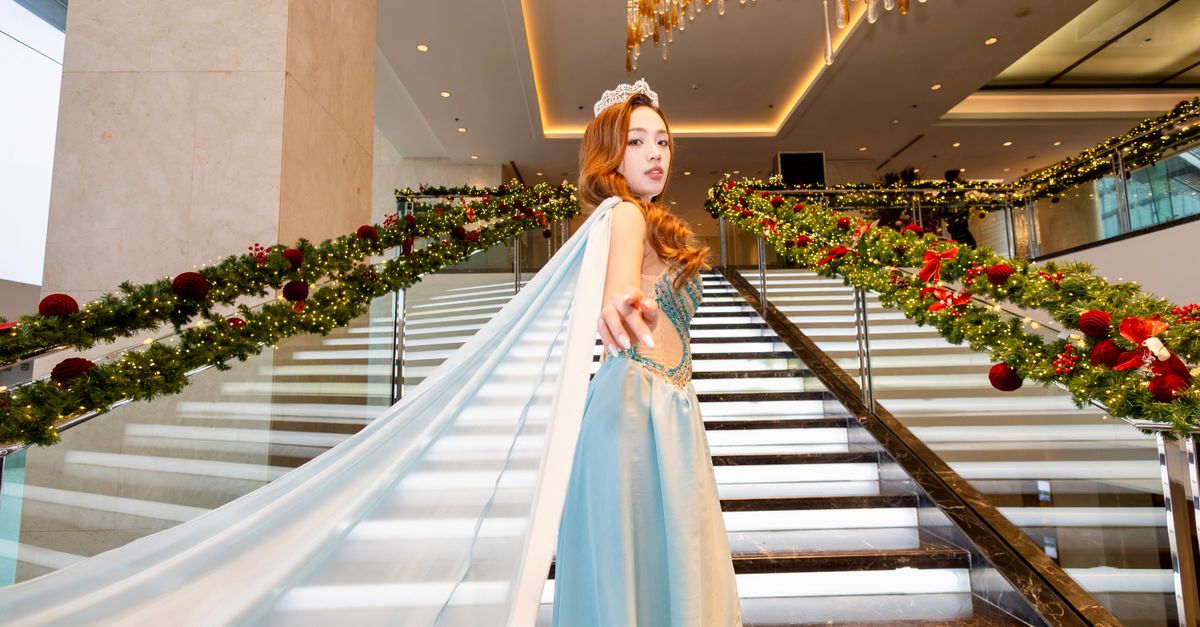
Once a year, on the first Monday in May, the internet stops to look at a staircase in New York. The Met Gala has become the most photographed, most dissected, most imitated party on the planet, a spectacle of fashion and fame watched by hundreds of millions who will never get within a mile of the door. What almost none of those watchers know is that the whole thing began as a small, earnest fundraising dinner, and that it was built into what it is today by three women across seventy years, each of whom understood something essential about how you actually raise serious money. The story of the Met Gala is, underneath the gowns, one of the best case studies in fundraising ever staged.
A publicist and a good cause
It started in 1948, and it started modestly. A formidable fashion publicist named Eleanor Lambert was looking for a way to raise money for the newly founded Costume Institute at the Metropolitan Museum of Art. The Costume Institute needed funds, and Lambert, who understood publicity as few people ever have, proposed a benefit dinner. The first one had fifty-dollar tickets. It was billed, with a publicist's flair, as the Party of the Year, and for its early decades it was not even held at the Met. It moved around New York's grand venues, the Waldorf Astoria, the Rainbow Room, a dinner for the fashion industry and its supporters to fund a museum department devoted to clothing.
For more than twenty years, this is what the event was: a respectable, successful, but essentially ordinary charity dinner. Lambert had created a durable fundraising vehicle, which is no small thing, but nobody outside a fairly narrow world paid it much attention. The genius that made it famous came later, and from a very different sensibility.
The editor who made it glamorous
Around 1972, the Costume Institute brought in Diana Vreeland as a consultant, and everything changed. Vreeland was one of the towering figures of twentieth-century fashion, a former editor of the most influential magazines, a woman with an unerring instinct for spectacle, drama, and desire. She looked at the worthy little benefit dinner and saw wasted potential. Under her influence, the gala moved into the Metropolitan Museum itself, and, crucially, she introduced themes, tying the party to the Costume Institute's exhibitions and giving it a sense of occasion, narrative, and glamour it had never had.
This was the pivotal insight, and it is worth naming precisely. Vreeland understood that people do not open their wallets for worthiness. They open them for desire. By making the gala exclusive, thematic, and genuinely glamorous, she transformed it from an event people attended out of duty into an event people longed to be seen at. She turned a fundraiser into a status symbol, and a status symbol raises far more money than a good cause ever will, because it sells something people want much more than virtue: belonging. Vreeland ran with the Costume Institute until her death in 1989, and she left behind an event that had become genuinely desirable.
The gatekeeper who made it enormous
The third act, and the one that produced the phenomenon we know, belongs to Anna Wintour, who assumed the chairmanship in 1995. If Lambert built the machine and Vreeland made it glamorous, Wintour made it colossal, and she did it through the ruthless application of a single principle: control the guest list. Wintour turned the Met Gala into the most exclusive ticket in the world, personally approving attendees, seating, even details of what guests could wear. That exclusivity was not vanity. It was fundraising strategy of the highest order.
Here is the mechanism, and it is worth understanding because it is the whole game. The more impossible it is to get in, the more desperately people want in, and the more they will pay, in money and in cultural currency, for the privilege. Wintour understood that scarcity is the engine of value, and she engineered scarcity relentlessly. The results speak plainly. The gala went from raising a few million dollars to raising figures that climbed past nine million, then twelve, then a record of over seventeen million dollars in a single night, all of it funding the Costume Institute. She built the most effective fundraising event in the cultural world by making it the hardest party on earth to attend.
What it teaches about the ask
We will state the view directly, because the Met Gala earns it. The lesson of its seventy-year rise is that raising serious money is not about the strength of your cause. It is about the strength of the desire you can attach to it. Eleanor Lambert had an excellent cause in 1948 and raised modest sums. Diana Vreeland attached glamour to it and raised more. Anna Wintour attached the most coveted social status in the world to it and raised a fortune. The cause barely changed. The desire changed everything.
Every development officer, every founder trying to fund a mission, every person who has ever had to ask for money for something worthwhile should study this arc. Worthiness is necessary but it is not sufficient, and by itself it is a weak motivator. What moves the largest gifts is a combination of genuine cause and genuine desire, the sense that giving buys not just virtue but belonging, access, and status. The Met Gala looks like the least serious event imaginable, a parade of extravagant costumes on a museum staircase. It is, in fact, one of the most sophisticated fundraising instruments ever devised, built by three women who each understood that if you want people to give generously, you must first make them want, badly, to be in the room.
More in Lifestyle

The Man Who Invented Modern Philanthropy: Frederick Gates and the Rockefeller Foundation
In 1913 the richest man in America handed a former preacher a hundred million dollars and a question nobody had answered properly: how do you give money away so that it actually fixes things?

Twenty-Seven Dollars: How Muhammad Yunus Reinvented Lending to the Poor
An economics professor lent 27 dollars of his own money to 42 women in a Bangladeshi village. It grew into a bank for millions, a Nobel Peace Prize, and a whole new idea about who deserves credit.

The Billionaires Who Gave Away Patagonia: Doug and Kris Tompkins
The founders of The North Face and Patagonia spent their fortunes quietly buying up vast tracts of wild land at the bottom of the world. Then they gave it all away, and created national parks the size of small countries.